Docteur Edouard Casanouve-Soule

General dentist

People
before treatment.

At my practice in Saint-Gervais, I welcome you with kindness, attentiveness and a willingness to listen to care for your oral health. From your first appointment, I take the time to understand your needs, expectations and any concerns, so I can offer you personalised care in a calm, trusting environment.

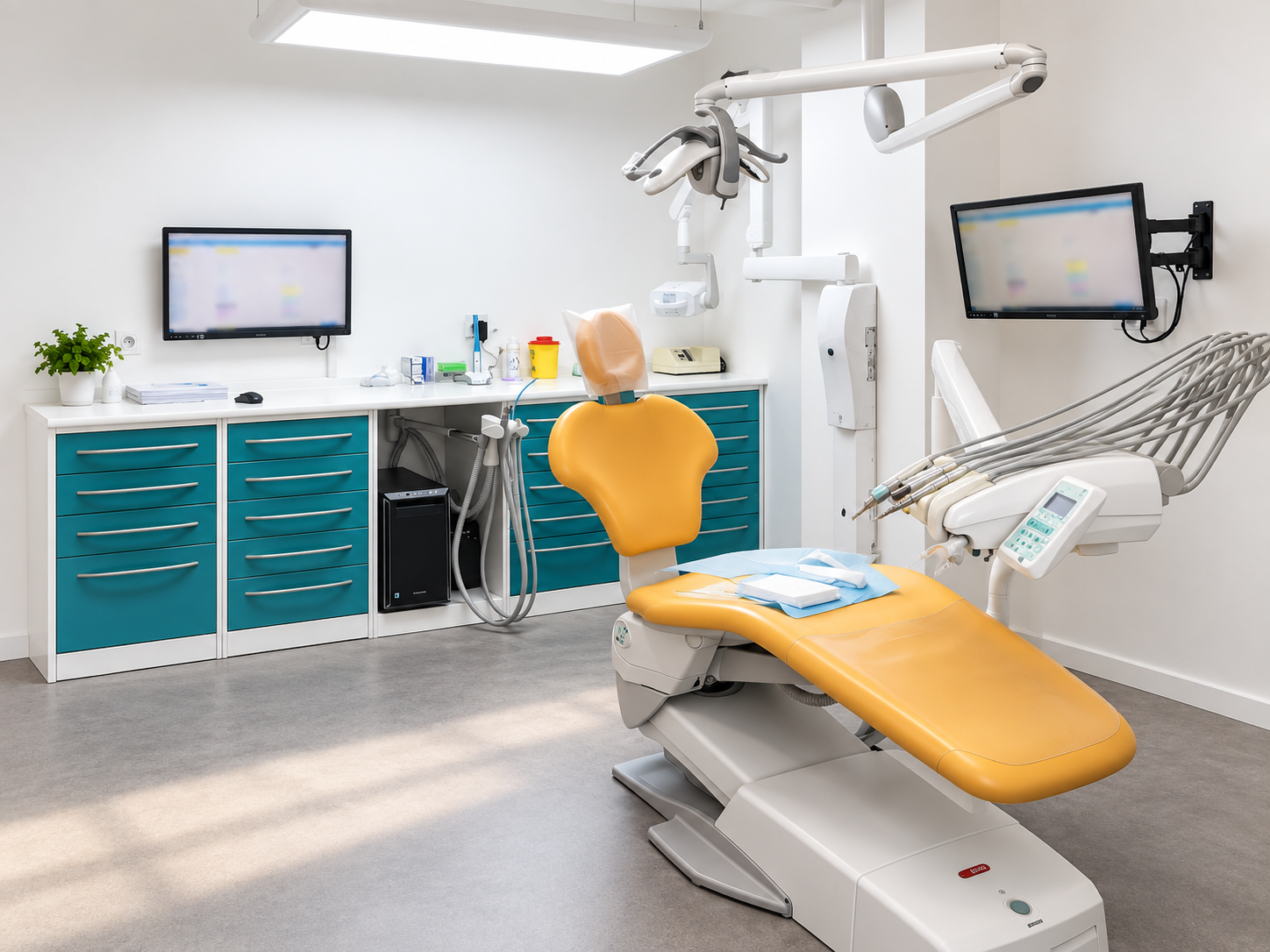
Treatment room at the Cabinet dentaire des Deux Rives in Saint-Gervais.

YOUR DENTIST

What guides my practice.
A personal approach.

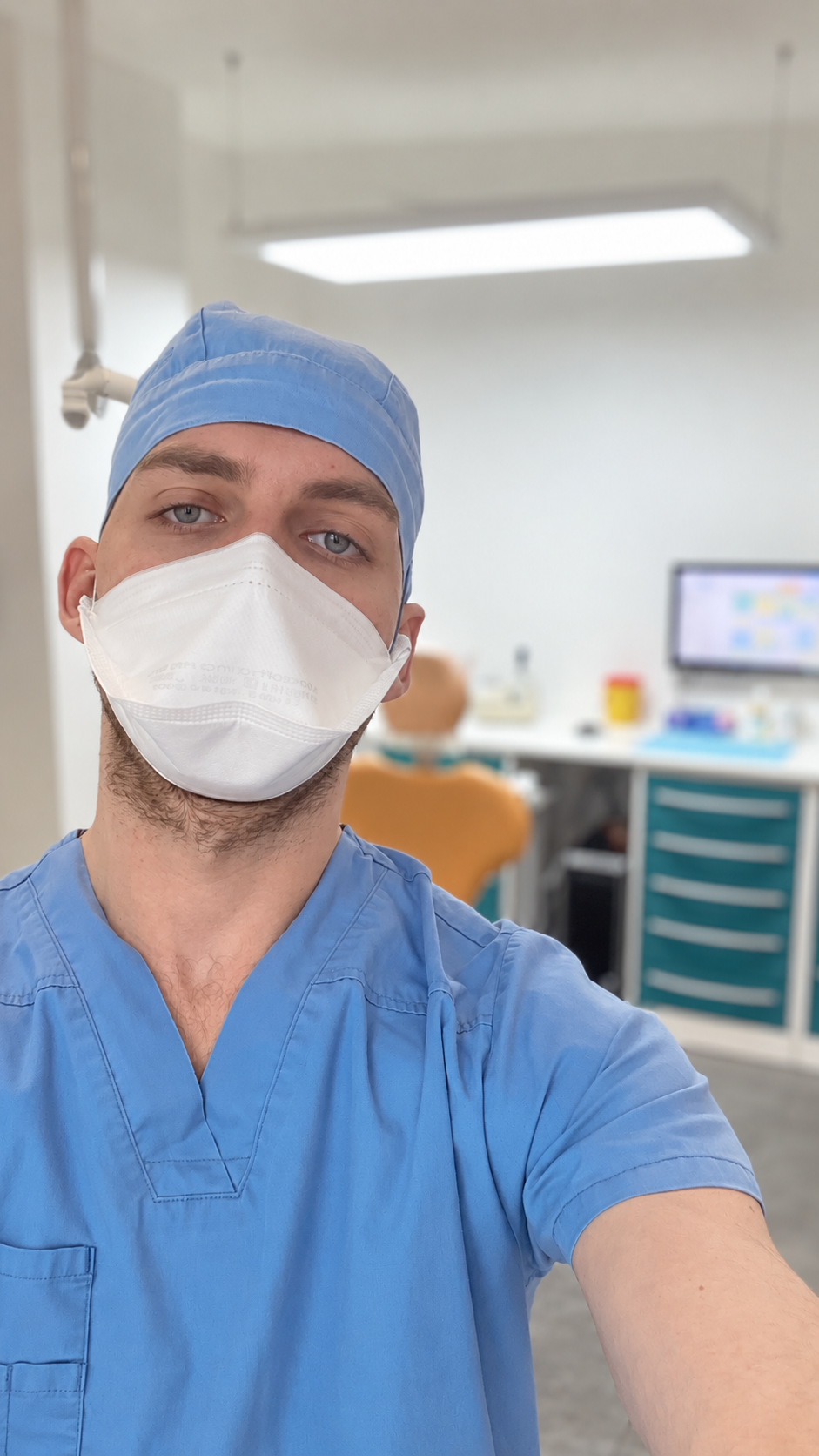
Portrait of Docteur Edouard Casanouve-Soule at the practice.

I have been practising at the Cabinet dentaire des Deux Rives since 2019. I want you to feel welcome and comfortable asking questions or sharing your concerns. I schedule longer appointments to allow time to listen, explain your treatment and carry it out with care. Your comfort matters throughout the appointment: you can let me know if something feels uncomfortable or ask for a break.

Understanding your oral health helps you take part in decisions about your care. I explain what I have observed, the treatment options and the reasons behind my recommendations. Helping you understand is an integral part of my work.

This commitment to explanation goes hand in hand with high standards of care. From diagnosis to treatment, I pay close attention to detail, aiming to recommend the appropriate treatment and preserve your teeth as far as possible. I also aim for restorations that combine function and aesthetics with a natural appearance.

Prevention is very much part of my role. Our teeth are precious: learning to care for them gives us the means to preserve them for as long as possible. That is why I guide you in caring for your teeth and gums and offer advice on eating habits, taking your individual situation into account. This practical guidance, revisited during follow-up appointments, helps you look after your teeth every day.

I remain available throughout your care, from your first appointment and between visits. Advice sheets, clear instructions and, when useful, prescriptions accompanied by explanations help you continue your care at home. Questions or concerns after treatment deserve an answer too.

YOUR FIRST APPOINTMENT

Assessment first.
Decisions together.

Walking through the door is sometimes the hardest step. This first appointment is an opportunity to take stock: understand your situation, establish a diagnosis and plan what comes next.

  1. 01

    Getting to know you

    I begin by discussing with you your health, medication and dental history. Your symptoms, habits and experiences of dental care help me understand your situation. This is also your opportunity to tell me what you would like from the consultation.

  2. 02

    Examining your mouth

    I examine your teeth, gums and the lining of your mouth. Depending on my findings and your symptoms, specific tests, X-rays or photographs may complement the examination.

    Possible additional examinations
    • Periodontal probing to assess the gums and the tissues supporting the teeth.
    • Cold and percussion tests to help clarify the diagnosis of an individual tooth.
    • Intraoral X-rays, when indicated.
    • Photographs to document the assessment, with macro photographs when needed: close-up views of the teeth taken using an intraoral camera.

    These examinations are selected according to your needs; they are not all performed routinely.

  3. 03

    Explaining the findings

    I explain the findings, using the available images: what is healthy, what needs monitoring and what needs treatment.

    Based on this assessment, I propose a treatment plan: the care you need, the order of treatment and the available alternatives. I explain each stage so you can make an informed decision.

  4. 04

    Planning the next steps with you

    You leave with a consultation report summarising the assessment and the points discussed together. A written estimate detailing the proposed treatment plan is provided when the care or treatment proposed requires one.

    When needed, I also provide referral letters, requests for additional examinations and any necessary prescriptions.

    If necessary, I prescribe imaging examinations to be carried out at a radiology practice: a panoramic dental X-ray, which provides an overview of the teeth and jaws, or a cone beam CT (CBCT), which allows the teeth, their roots and the surrounding bone to be examined in three dimensions.

    The treatment plan may be refined once the additional results are available.

    You send the cost estimate to your complementary health insurer (mutuelle) to find out what it will cover and what you will need to pay, then contact the practice again. Once you have accepted the estimate, the practice arranges the appointments needed to carry out the treatment plan.

    In the meantime, you can reach me through Doctolib’s secure messaging service with any questions and to prepare the next steps.

TREATMENTS AT THE PRACTICE

To preserve your teeth and rediscover the pleasure of eating and smiling.

Precise words. Simple explanations.

From tooth decay to a missing tooth, these needs call for different solutions. During your consultation, I explain what may suit your situation and why.
Discover the main treatments provided at the practice and the terms that may appear in your treatment plan.

01

Tooth decay and tooth restoration

Tooth decay

Treating decay and rebuilding the tooth while preserving as much healthy tooth tissue as possible.

Understanding the techniques

After the decayed tissue is removed, the tooth is rebuilt to restore its shape, function and a natural appearance. Two approaches are possible, depending on the situation.

The direct technique involves rebuilding the tooth with composite resin, shaped directly in the mouth. Its shade is chosen to blend with the natural tooth.

The indirect technique involves making a custom piece from a digital impression of the tooth. This piece is then fixed in the mouth: it is a fixed dental prosthesis, also called a fixed restoration, such as an onlay or a crown.

The choice between these two techniques depends in particular on the extent of the decay and the amount and strength of the remaining tooth tissue. The aim is to restore the tooth durably, using the solution that best preserves its structure.

Understanding fixed prostheses ↓
02

Endodontics: treating the inside of the tooth

Necrotic tooth / Root canal-treated tooth

Root canal treatment, sometimes referred to as “removing the nerve”, aims to save a tooth whose pulp can no longer be preserved.

Understanding root canal treatment

The pulp and the canals

At the centre of the tooth is the pulp, a tissue containing nerves and blood vessels, among other components. It extends into the roots through canals, whose number and shape vary from one tooth to another.

Cleaning, disinfecting and filling the canals

When the pulp is too damaged to preserve or is no longer alive (necrotic), root canal treatment may be needed. It aims to save the tooth and treat any infection present.

The procedure involves accessing the canals, removing the affected tissue, then cleaning and disinfecting the inside of the tooth. The canals are then obturated, meaning filled and sealed.

Choosing bioceramic sealers

At the practice, I have chosen to use bioceramic sealers for root canal obturation. These newer-generation materials are selected for their sealing properties and biocompatibility, meaning how well they are tolerated by the tissues.

Their bioactivity refers to their ability to interact with their biological environment and promote the formation of mineral deposits. These properties may help create favourable conditions for healing around the root, alongside cleaning and disinfection of the canals.

Repeating treatment when needed

A tooth that has already had root canal treatment may sometimes need further treatment. If an infection persists or returns, the canals may need to be cleaned and disinfected again, then refilled: this is called endodontic retreatment.

An assessment beforehand helps determine whether retreatment would be appropriate and the options for saving the tooth.

Recognising complex cases

Very narrow, curved or hard-to-reach canals are natural variations in tooth anatomy and can make treatment more challenging.

When treatment or retreatment requires particular expertise or equipment, I refer you to an endodontist in my network, a practitioner whose work focuses on treating the inside of the tooth. I share the information needed for your care and stay in contact to ensure continuity of your follow-up.

My referral network and continuity of care ↓
03

Tooth extractions

Molar extraction

Removing a tooth that cannot be saved, while preserving as much of the surrounding tissue as possible.

What does the procedure involve?

Before the procedure, I assess the condition of the tooth and the options for saving it. When an extraction is necessary, I explain the reasons for this decision, the stages of treatment and what to expect afterwards. This discussion also gives you the opportunity to ask questions.

The extraction is performed under local anaesthetic, with attention to your comfort and care to minimise trauma to the gum and bone surrounding the tooth.

You receive instructions for care after the procedure, including guidance on oral hygiene, food and precautions to support healing. I also explain which signs should prompt you to contact me again.

More complex cases

For impacted wisdom teeth and cases requiring specialised care, I refer you to an oral surgeon in my network. I discuss this referral with you, taking into account the complexity of the procedure and your circumstances.

I share your assessment and relevant examination results with the surgeon, and stay in contact to ensure continuity of your follow-up.

My referral network and continuity of care ↓
04

Gum care: preserving the tissues that support your teeth

Healthy gum / Periodontal pocket

Care to treat gum disease, stabilise its progression and preserve your teeth over time.

Understanding the treatment

Understanding gum disease

Red, swollen or bleeding gums are signs of inflammation. This is called gingivitis when only the gums are affected: it is generally reversible with appropriate care. Periodontitis affects the tissues that support the teeth more deeply, including the bone and the ligament that connects the roots to the bone.

Periodontitis is a chronic inflammatory disease associated with bacteria in dental plaque. A genetic predisposition, smoking or poorly controlled diabetes can contribute to its onset and progression. It can also affect general health, particularly by making diabetes more difficult to control.

Non-surgical treatment at the practice

Treatment combines personalised oral hygiene advice with the removal of plaque and tartar from the teeth and beneath the gums. This thorough cleaning, called debridement or scaling and root planing, aims to reduce inflammation and promote tissue healing.

In specific situations, antibiotics may be prescribed as an additional treatment. They are not prescribed routinely and do not replace cleaning at the practice or daily oral hygiene.

Reassessing and maintaining the results

After a healing period, I assess the response to treatment and whether any further care is needed. Once the disease is stabilised, periodontal maintenance visits are scheduled at intervals suited to your situation. Alongside your daily oral hygiene, these visits are essential to help limit recurrence and preserve the results over time.

When surgical treatment is needed

If some areas remain affected despite the initial treatment, periodontal access surgery may be indicated. This involves lifting the gum to access the root surfaces and clean areas that are difficult to reach without surgery.

In some situations, regenerative techniques and gum grafting may also be considered to rebuild or strengthen the tissues that support the teeth.

When these procedures are needed, I refer you to a practitioner in my referral network.

My referral network and continuity of care ↓
05

Fixed prostheses: onlays, crowns and bridges

Onlay A puzzle piece
Crown A cap over the tooth
Bridge A bridge between two teeth

Fixed prostheses can rebuild a damaged tooth or replace a missing tooth. Custom-made for each patient, they aim to restore chewing function and a natural appearance, according to the individual situation.

Understanding fixed restorations

The onlay: a modern approach to preserving the tooth

An onlay is a custom-made piece of composite resin or ceramic that replaces the missing part of a tooth and covers its weakened areas. Unlike a full crown, it covers only part of the tooth.

Developed through advances in materials and adhesive techniques, this modern approach allows the tooth to be rebuilt while preserving as much healthy tissue as possible. This is known as a “minimally invasive” restoration. Its attachment relies on a demanding bonding technique that requires precise skills and adherence to a rigorous protocol.

The crown: protecting the tooth with full coverage

A crown covers the entire visible part of the tooth. It is used when full coverage is needed to restore and protect a weakened tooth and a partial restoration, such as an onlay, is not suitable.

It restores the shape, appearance and function of the tooth, but generally requires more tooth preparation than an onlay. The choice between these two options depends in particular on the extent of the decay or fracture, and on the amount and strength of the remaining tooth tissue.

The bridge: replacing a missing tooth

A bridge replaces one or more missing teeth by using the neighbouring teeth for support. It forms a fixed “bridge”, with the replacement teeth connected to the supporting units.

Making a bridge may require preparation of the teeth that support it. Their health and strength are therefore essential considerations when choosing this treatment.

Biomimetics: taking inspiration from the natural tooth

Biomimetics takes the natural tooth as its model. The aim is to restore a shape, appearance and mechanical behaviour as close as possible to those of a natural tooth, while preserving as much healthy tissue as possible.

This approach relies on choosing suitable materials and restorative techniques that respect the structure of the tooth. Bonded partial restorations, such as onlays, are particularly suited to this approach when the clinical situation allows. More broadly, whether an onlay or a crown is used, the aim remains to rebuild a functional, strong and natural-looking tooth.

06

Removable dentures

Metal-frame denture Partial denture

Removable dentures replace some or all of the teeth. They provide a temporary or long-term solution to help you chew more comfortably and regain a balanced smile that suits you.

Understanding removable dentures

A partial denture replaces one or more missing teeth and is supported by the remaining teeth and gums. A complete, or full, denture replaces all the teeth in one arch, either upper or lower.

In both cases, the aim is to help you eat and speak more comfortably while restoring a natural appearance.

A temporary or long-term solution

A removable denture can be planned while preparing for extractions, to replace the teeth during healing while awaiting another solution.

It can also be chosen for long-term use without implants, or form part of a plan in which implants may be considered later. I decide with you how it fits into your treatment plan, based on your situation and expectations.

Acrylic or metal framework: understanding the choice

A metal-and-acrylic denture, known as a “stellite” in French, is a partial denture with a rigid metal framework supporting the acrylic sections and artificial teeth. This framework generally allows a thinner, less bulky structure while providing strength. Rests and clasps are fitted to the remaining teeth to help hold the denture in place and keep it stable.

An acrylic denture can be partial or complete. Usually a more economical option, it often requires a thicker and more extensive base. It can be used long term or during certain transitional stages of treatment.

The choice takes into account your remaining teeth, gum health, desired comfort, anticipated changes in your situation and your out-of-pocket cost after reimbursement. I explain the benefits and limitations of the different options included in your cost estimate.

Caring for your denture and adapting it over time

Whether temporary or intended for long-term use, removable dentures require daily cleaning and regular follow-up. I explain how to clean your denture and care for your gums and remaining teeth.

Adjustments may be needed over time, particularly after extractions, as the gums change during healing. Follow-up visits allow me to adapt the denture to these changes and attend to your comfort.

100% Santé and your cost estimate ↓
07

Oral implantology and implant-supported crowns

Dental implant and its crown An artificial root

Replacing a missing tooth with an implant that can support a custom-made crown.

Understanding the implant and its crown

A dental implant is an artificial root, usually made of titanium, placed in the jawbone to replace the root of a missing tooth. It can then support a crown, which recreates the visible part of the tooth.

After placement, a healing period allows the implant to gradually integrate with the bone: this is known as osseointegration. Whether an implant can be placed depends in particular on the amount and quality of the available bone; when bone volume is insufficient, additional techniques may sometimes be needed.

Once the implant has integrated, the crown is custom-made and attached to it. It helps restore chewing function and a natural appearance.

The implant and the crown are therefore two different components: the implant replaces the root, while the crown replaces the visible part of the tooth.

When an implant is considered

For the implant procedure, I refer you to a practitioner in my network, who carries out the necessary assessment, determines whether this option is suitable for your situation and handles implant placement along with any associated surgical procedures.

Following this care, the implant-supported crown can be provided at the practice, when this is part of your planned care pathway.

My referral network and continuity of care ↓

FREQUENTLY ASKED QUESTIONS

Your questions,
my answers.

Materials, techniques and reimbursement: some questions often come up during consultations. These answers help explain the choices you may be offered.

Resin or ceramic onlay: how do we choose?

Composite resin is generally less expensive. Ceramic offers an appearance very close to a natural tooth and generally maintains its surface quality better over time than composite resin, retaining its smoothness and lustre.

The choice depends on the tooth, the forces involved in chewing and your out-of-pocket costs. I explain what each material can offer in your situation.

Why an onlay rather than a direct restoration?

An onlay is custom-made by the dental technician from a digital impression. This laboratory work allows precise reconstruction of the tooth’s anatomy, its contact points with neighbouring teeth and the bite — the way the upper and lower teeth meet.

This is particularly useful when a substantial part of the tooth needs rebuilding. The choice depends on the amount and strength of the remaining tooth; a direct restoration remains suitable for smaller defects.

Will my crown match the colour of my teeth?

I favour tooth-coloured crowns, most often made from zirconia. Zirconia is a ceramic used for its strength; its shade is chosen to blend with your smile. We discuss the material and appearance before the crown is made.

Since 2026, zirconia crowns supported by natural teeth may qualify for France’s 100% Santé scheme on all teeth, including molars. Having no out-of-pocket cost depends on the scheme’s conditions and your supplementary insurance. I clarify this in your estimate.

When might a bridge be an option?

A bridge can replace one or more missing teeth when neighbouring teeth provide sufficiently strong support. Their condition, gum health and the size of the gap all influence the decision.

A conventional bridge usually requires preparation of the supporting teeth. I explain what this involves and compare it with other suitable options, such as a removable denture or implant treatment.

Acrylic denture or metal framework: what is the difference?

A metal-framework partial denture has a rigid framework allowing a thinner, strong structure, with supports fitted to the remaining teeth. An acrylic denture, partial or complete, is generally less expensive but often thicker and covers a larger area.

I consider the remaining teeth, any healing after extractions, comfort and budget. A denture used during one stage of treatment may have different requirements from a longer-term solution.

ESTIMATES & HEALTH COVER

Understand your options.
Plan for your out-of-pocket costs.

Understand before deciding. After the assessment, you receive your treatment plan and estimates so that you can find out the expected reimbursements, your out-of-pocket costs and the different options before starting treatment.

From assessment to treatment plan

After the assessment, I give you a document summarising the proposed treatment plan, together with estimates when the care requires them. It sets out the stages being considered and the solutions that may be offered to you.

You then send the estimate to your supplementary health insurer (mutuelle) to find out the expected reimbursement for each option. Once it replies, we can assess your out-of-pocket costs, compare the different possibilities and, if necessary, discuss the scope or organisation of treatment again together.

The aim is for you to understand the proposed solutions, their coverage and what they involve before treatment begins.

Fees for dental care and prostheses

Convention-contracted dentist. Payment by bank card or cheque.

Examples of fees
ProcedureFeeReimbursement basis
Consultation23,00 €23,00 €
Scaling, per procedure28,92 €28,92 €
Single-surface cavity restoration30,47 €30,47 €
Composite resin onlay, two or more surfaces360,50 €100,00 €
Ceramic onlay, two or more surfaces450,00–550,00 €100,00 €
Monolithic zirconia crown supported by a natural tooth453,20 €120,00 €

The reimbursement base is used to calculate the French statutory health insurance contribution: it is not the amount reimbursed.

Amounts as of September 2026, excluding additional charges and special arrangements (including CSS); routine care fees shown apply to adults aged 27 and over.

Fee ranges depend on the complexity of the procedure. A written estimate specifies the fees for treatments that require one.

100% Santé, when appropriate

When a solution covered by France’s 100% Santé scheme is available and appropriate for your situation, it is offered to you and included in your estimate.

This scheme now provides access to many natural-looking, strong prosthetic solutions with no out-of-pocket cost, including certain ceramic crowns. Zirconia crowns may be included in the scheme, as may some bridges.

Certain acrylic removable dentures may also qualify for 100% Santé. Metal-framework dentures, often called “stellites” in French, are subject to other coverage arrangements depending on their indication.

When several options are available, I explain their differences to help find a solution suited to your clinical situation, expectations and coverage.

However, 100% Santé does not cover every dental treatment. Some care, particularly periodontal treatment, is subject to other reimbursement arrangements and may leave part of the fees payable by you.

Read about 100% Santé on ameli.fr (in French) ↗

Patients covered by CSS

Patients covered by the Complémentaire santé solidaire (CSS) scheme are welcome at the practice. Please bring your up-to-date Carte Vitale or, if necessary, a valid certificate of entitlement.

The practice applies full direct billing under the scheme’s conditions: you do not have to pay upfront for treatment covered by CSS.

When several prosthetic solutions are possible, the different options and their coverage conditions are explained before treatment.

Direct billing and payment arrangements

Accepted payment methods: bank card and cheque.

The practice does not offer direct billing for the supplementary insurance portion, except when legally required, particularly under CSS. Direct billing for the French statutory health insurance portion may also be offered in certain situations.

Without direct billing, you pay the fees upfront. French statutory health insurance and then your supplementary insurer reimburse you according to your entitlements and the cover provided by your policy.

To make upfront payment easier, payment arrangements can be agreed with the practice before treatment, including deferred collection of payment. Please feel free to discuss this when the estimate is presented.

Read about direct billing on ameli.fr (in French) ↗

A REFERRAL NETWORK

Knowing when
to refer.

Providing good care also means knowing when to refer. When your situation requires particular expertise, I refer you to a trusted practitioner in my network and stay in contact with them to ensure continuity of your care.

Knowing my limits is part of my commitment to careful treatment. Some situations call for particular expertise or equipment. Recognising this and referring at the right time helps you receive the care you need.

Over the years, I have built a network of colleagues whose work I know: an endodontist, a periodontist, an oral surgeon, an orthodontist and, when needed, a physiotherapist. Regular exchanges and trust developed over time help me guide you to an appropriate practitioner.

Your follow-up continues, even when treatment takes place elsewhere. I explain the reason for the referral and send a letter, your assessment findings and the relevant examinations to the colleague concerned. I discuss your care with this colleague to plan the next steps at the practice. You remain supported before, during and after this stage, with practitioners I trust.

EQUIPMENT & DIGITAL DENTISTRY

Tools to see,
explain and treat.

Optical aids allow me to see details during treatment. Digital tools extend this work: images to understand and explain the assessment, impressions to prepare restorations and tools to facilitate follow-up and communication.

Optical aids

I work with loupes providing ×3.8 magnification, which enlarge the area being observed and help me distinguish details of the tooth and control my movements during treatment.

They are paired with integrated lighting of 55,000 lux, directed towards the treatment area. Combining magnification and lighting improves visibility during treatment.

Photography and intraoral imaging

Photographs help document the assessment and changes over time. For detailed views, I use an intraoral camera to observe and photograph tooth surfaces at close range. These macro images complement the clinical examination and also make it easier to show you what I observe.

Intraoral X-rays are taken when clinically indicated. They allow examination of areas that cannot be seen with the naked eye, particularly between teeth, around roots and within the bone. They can reveal decay, infections or bone loss, complementing the clinical examination to guide treatment.

Consultation report assisted by artificial intelligence

After some consultations, a report summarises the key findings of the assessment, the observations made and the different steps being considered for your care.

I use artificial intelligence tools to help draft and structure these documents. They help present the information collected during the consultation more clearly, while keeping a useful record of our discussions.

Isolation of the treatment area

A dental dam (for isolating the treatment area) is a thin sheet that separates one or more teeth from the rest of the mouth during treatment.

I use a dental dam for procedures that require it, particularly root canal treatment and bonded restorations. It limits contamination by saliva, helps keep the working area dry and helps protect the surrounding tissues during treatment.

Its purpose and placement are explained to you before treatment.

Digital impression

The scanner records the shape of the teeth in three dimensions, producing a digital impression without traditional impression materials.

This impression is used, in particular, to design custom restorations such as onlays and crowns, and to send the dental laboratory precise information about your situation.

Digital tools that support communication

Online appointments are available through Doctolib for appointment types open for booking.

Between appointments, Doctolib’s secure messaging also allows you to discuss your follow-up or send documents, under the arrangements explained at the practice.

These digital tools help with organisation and communication throughout your care.

HYGIENE & STERILISATION

For every patient,
a complete process.

Between patients, reusable equipment goes through several stages of reprocessing. This daily work requires time, dedicated equipment and rigorous organisation.

  1. 01

    Pre-disinfection

    As soon as treatment ends, reusable instruments undergo pre-disinfection, the first stage of the reprocessing cycle.

  2. 02

    Thermal disinfection

    The instruments are then cleaned and disinfected in a washer-disinfector, using an automated cycle that includes a thermal disinfection phase above 90 °C.

  3. 03

    Pouch packaging

    After inspection, the instruments are sealed in pouches so that they can be sterilised and then stored until their next use.

  4. 04

    Autoclave

    The packaged instruments are then steam-sterilised in the autoclave. The practice uses a sterilisation cycle incorporating the recommended precautions against prion-related risks.

    This protocol helps ensure a high level of safety before the instruments are used again.

Complete reprocessing between every patient

Rotary instruments and scaling equipment also go through the entire reprocessing and sterilisation cycle between every patient. They are not merely disinfected before being used again.

Single-use items are reserved for one patient and disposed of after treatment.

RECORDS & CHECKS

Traceability,
right through to your treatment.

Regularly checked equipment

Sterilisation equipment is monitored and maintained, with records kept. Every week, the autoclave undergoes a series of functional tests, including vacuum tests and checks for adequate steam penetration. The results are checked and retained.

Every cycle and every pouch are identified

Sterilisation cycles are recorded and each pouch is identified. This makes it possible to retrieve the corresponding cycle, the reprocessing and sterilisation dates, and the intended storage period for the equipment.

Traceability linked to each patient

For each treatment, the practice can identify the medical devices used and retrieve the information relating to their preparation and sterilisation.

Traceability therefore links the reprocessing of equipment to its use with the patient, from preparation through to treatment.

Practice history

A local dental practice.

Founded over 25 years ago by Doctor Cyril Cabiran.

In the countryside near Bordeaux, the Des Deux Rives dental practice has welcomed people from Saint-Gervais and the surrounding area for over 25 years. Founded by Doctor Cyril Cabiran, it has become part of village life over the years.

The name Des Deux Rives also evokes the Gironde region: the Dordogne and the Garonne, which meet to form the Gironde estuary. A land of vineyards, villages and landscapes shaped by water, to which I feel a close connection.

I joined the practice in 2019. Today, the practice brings together two partners, both practising general dentistry. The practice welcomes children and adults to prevent dental problems, provide routine care and restore the health and function of your teeth. This approach allows me to consider your oral health as a whole, taking your general health and everyday life into account.

Continuing this story also means maintaining that local connection: being able to see a dentist close to home and return, over the years, to someone who knows you.

PRACTICAL INFORMATION

Preparing for your visit.

The practice is on the main road in Saint-Gervais, next to the tobacconist. Two car parks are nearby.

DENTAL PRACTICE
DES DEUX RIVES

26 bis rue de la Lande
33240 Saint-Gervais
Call the practice: 05 57 43 08 50

Two nearby car parks

Step-free access · Reduced mobility

Get directions

DIRECTIONS

Find the practice and park nearby.

Select a marker to get directions.

The map is loading. The directions link for the practice remains available.

CONTACT & APPOINTMENTS

Docteur Edouard
Casanouve-Soule

Find me on Doctolib to book an appointment or discuss your follow-up care via secure messaging. You can also call the practice using the number below.

Which appointment type should you choose on Doctolib?

The practice welcomes new patients, both children and adults. Please choose the appointment type that matches your situation:

  • Adult consultation — aged 16 and over: you have already attended the practice.
  • First adult consultation — aged 16 and over: this is your first visit to the practice.
  • Child consultation — under 16: your child has already attended the practice.
  • First child consultation — under 16: this is your child’s first visit to the practice.

The “Emergency” appointment type is reserved for dental emergencies and must not be used to bring forward a routine consultation.

First-consultation slots are reserved for new patients, even if they are available sooner than other appointments.

An appointment booked under an unsuitable appointment type may be cancelled or rescheduled, including on the day itself. Choosing the correct type allows us to allocate the time needed for your care.